Case studies & Insights.
Nine engagements, nine operating disciplines — and the essays behind the method. Proof first, perspective second, both from inside the operating room.
Jump to Insights →Showing 9 of 9 case studies.
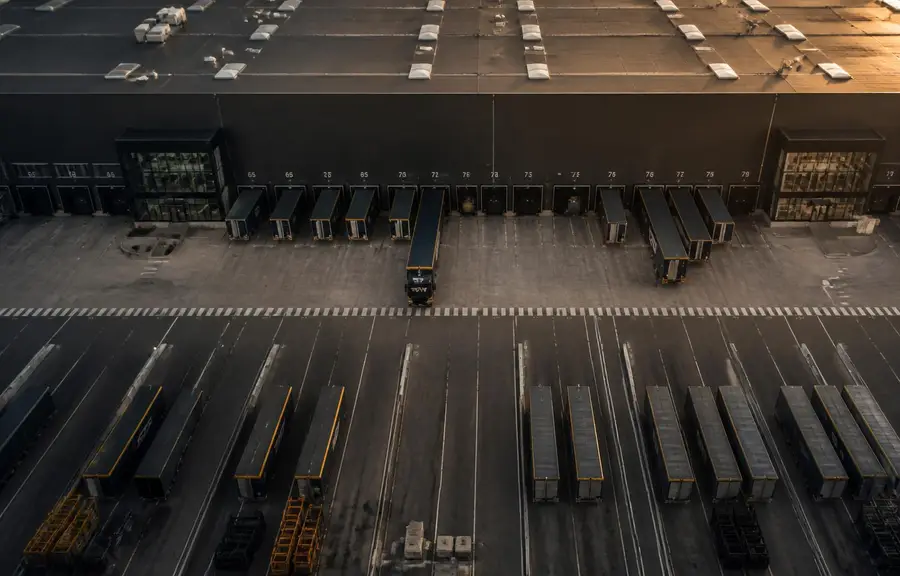
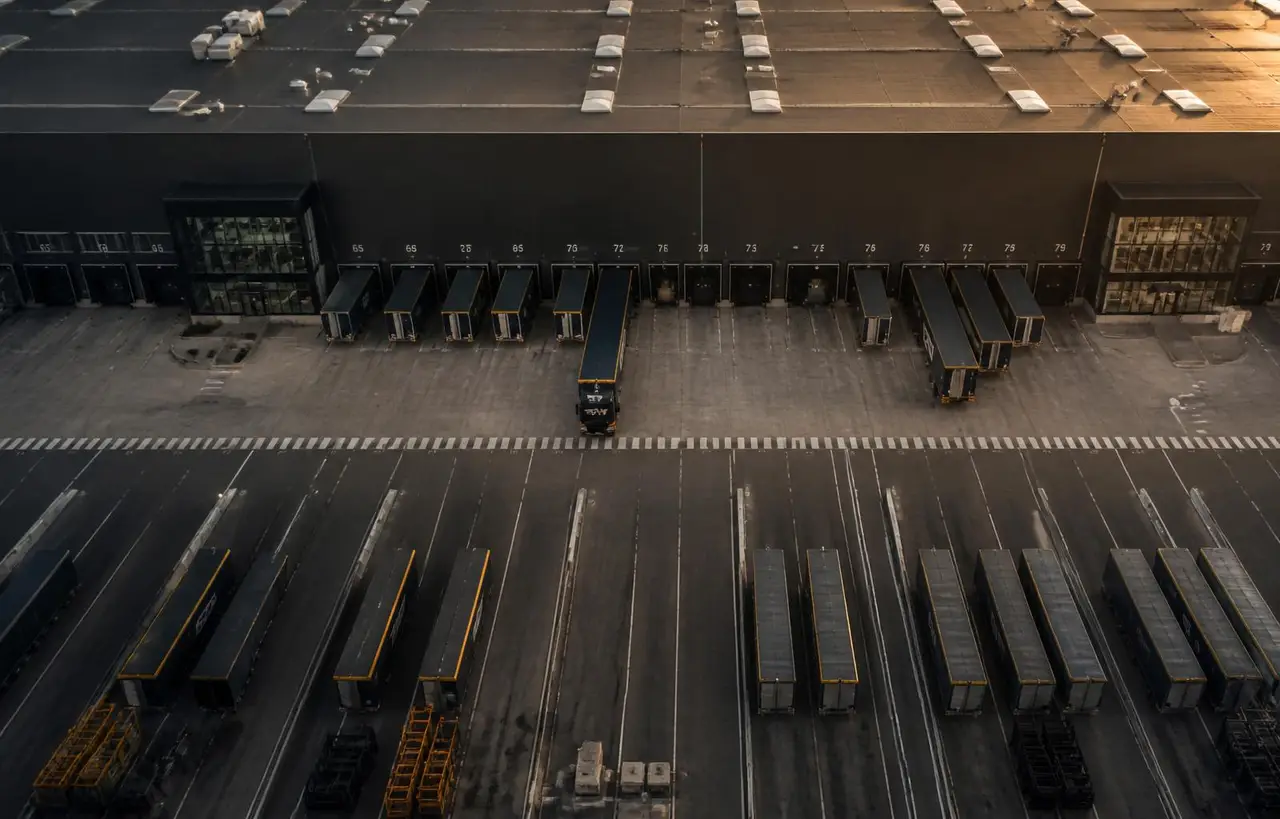
Case study 01: Scaling a 3PL Network 10x After Its Largest-Ever Acquisition
Logistics & Fulfillment · Staci Americas
10xorganizational scale
Read case study →
Case study 02: Turning Around a $55M Regional Operation — Without Adding Headcount
Last-Mile & Delivery Operations · Amazon
21.8%profitability gain
Read case study →
Case study 03: Rebuilding a Luxury Brand's Global Distribution Network
Luxury & Retail · Assouline Publishing
46%freight cost cut
Read case study →
Case study 04: Replacing Manual Reporting with Real-Time Systems Across 18 Sites
Logistics & Fulfillment · Staci Americas
40%less admin time
Read case study →
Case study 05: Building a Leadership Bench Across 18 Newly Merged Sites
Logistics & Fulfillment · Staci Americas
30%team efficiency gain
Read case study →
Case study 06: Scaling a Luxury Brand's Logistics Network Across the US and Europe
Luxury & Retail · John Varvatos Enterprises
37.6%faster outbound processing
Read case study →
Case study 07: Designing an End-to-End Distribution Network for a Major FMCG Brand
Consumer Products & FMCG · Staci Americas
34%service speed increase
Read case study →
Case study 08: Running a 200-Account Global Program on 98.8% Order Accuracy
Logistics & Fulfillment · Staci Americas
200+global accounts
Read case study →
Case study 09: Formalizing Board Governance for a Fast-Scaling Logistics Group
Logistics & Fulfillment · Staci Group
2.5K+employees governed
Read case study →Scaling a 3PL Network 10x After Its Largest-Ever Acquisition
Staci Americas (Staci Group) · Third-Party Logistics & Fulfillment · Managing Director → Chief Transformation Officer → CEO · 2022–Present
Services DeployedM&A Integration · Fractional CEO/CTO · Operations Strategy · KPI & Data Systems Design
MethodologyThe Atelier Operating Cadence — Assess, Standardize, Execute, Sustain
Why It Matters Now
3PL M&A volume is up 20% year-over-year — the hottest pace since 2022. Buyers pay premiums for technology-enabled networks, not commodity operators. Deal flow is no longer the constraint. Integration is. Most acquirers under-invest in the operating discipline that turns a signed deal into realized synergy.
Source: Capstone Partners, 3PL Market Update, 2026
The Situation
- —The largest M&A in company history. Staci Group's acquisition of Amware US.
- —18 distribution sites. One culture, one process, one system — required, not optional.
- —Zero room for disruption. $235M+ operating budget, 200+ enterprise clients, live through the integration.
The Complication
- —Two operating systems, one deadline. Legacy Staci sites and newly acquired Amware sites ran different WMS platforms, KPI definitions, and labor models — with clients expecting no service interruption.
- —No shared leadership language. Site leaders across 18 locations had never reported into a common cadence, so early decisions moved at the speed of the slowest site.
The Response
- —Owned the integration end to end. Managing Director → Chief Transformation Officer → CEO.
- —Standardized the operating model. One set of processes and KPI governance across all 18 sites.
- —Rebuilt the commercial engine. Diversified the customer base; launched digital rebrand and inbound demand generation.
- —Automated the back office. CRM and multi-channel automation; tightened P&L and procurement controls.
- —Earned the board seat. Appointed to the Staci Group Board of Directors.
The Impact
Revenue growth (YoY)
Logistics efficiency gain
Operating cost reduction
Faster executive decision-making
$235M+ operating budget managed; double-digit EBITDA held throughout the integration.
“Acquisitions don't fail on the term sheet. They fail eighteen months in, when nobody owns the integration. I own it — site by site, until the numbers hold.”— Johanna Pudda, Founding Partner & CEO, Atelier Operations
Integrating an acquisition on the clock? Let's talk →
This engagement reflects Johanna Pudda's direct operating leadership prior to founding Atelier Operations, presented as evidence of operating capability.
Turning Around a $55M Regional Operation — Without Adding Headcount
Amazon · Regional Delivery Operations · Site Director · 2020–2021
Services DeployedBusiness Turnaround · Operations Strategy · Leadership Development
MethodologyThe Atelier Operating Cadence — Assess, Standardize, Execute, Sustain
Why It Matters Now
Last-mile delivery absorbs 53% of total delivery cost industry-wide. Driver labor alone: 25% of every mile, against a persistent driver shortage. The customer side is unforgiving too — 84% won't return after one bad delivery; 66% expect same-day as the baseline. Profitability here comes from forecasting and workforce design. Not headcount.
Source: ClickPost, Last-Mile Delivery Statistics, 2026
The Situation
- —No operating cadence. $55M budget, 14-person leadership bench, no consistent rhythm.
- —Volume rising, SLAs tightening. Profitability under pressure on both sides at once.
The Complication
- —Headcount was off the table. Network-wide hiring freezes meant every efficiency gain had to come from process, not people.
- —Peak-season volume, no slack. Forecasting errors that were tolerable at low volume became SLA failures at scale.
The Response
- —Rebuilt the forecast. New volume forecasting and shift-planning models.
- —Reset the cost base. Restructured to network-guided benchmark rates.
- —Installed a cadence. New SOP discipline and accountability mechanisms across the leadership team.
- —Built the bench. Daily mentorship; workforce strategy designed to outlast the role.
The Impact
Profitability gain
Customer delivery satisfaction
“You don't fix a $55M operation by adding people. You fix it by giving the fourteen you have a cadence they can't miss.”— Johanna Pudda, Founding Partner & CEO, Atelier Operations
Margin under pressure with headcount frozen? Let's talk →
This engagement reflects Johanna Pudda's direct operating leadership prior to founding Atelier Operations, presented as evidence of operating capability.
Rebuilding a Luxury Brand's Global Distribution Network
Assouline Publishing · Luxury Publishing & Lifestyle · Director, Strategic Planning & Operations · 2015–2018
Services DeployedSupply Chain Transformation · Network Optimization · Procurement
MethodologyThe Atelier Operating Cadence — Assess, Standardize, Execute, Sustain
Why It Matters Now
Trade policy is now a top-three risk for 40% of fashion and luxury leaders heading into 2026, up from 25% a year earlier. Tariff-driven sourcing costs: projected up 35–37%. Brands are racing to diversify sourcing, renegotiate freight, and rebuild network resilience. The playbook — RFP, ERP integration, carrier renegotiation — isn't a one-time fix. It's the operating model brands need now.
Source: Supply Chain Dive, "4 Fashion Supply Chain Trends to Watch in 2026"
The Situation
- —Fragmented network. Four 3PL warehouses, domestic and international, run manually.
- —No visibility. High freight costs, slow turnaround, no unified reporting system.
The Complication
- —Legacy vendor relationships. Long-standing carrier contracts had no competitive tension, and no one owned renegotiation.
- —Reporting lived in silos. Sales, finance, and warehouse teams tracked performance on separate, disconnected systems — no shared source of truth.
The Response
- —Ran the full conversion. RFP → SOW → ERP integration, project-managed end to end.
- —Renegotiated the network. Carrier contracts reset across every warehouse.
- —Built the infrastructure. New product-tracking visibility system and freight strategy.
The Impact
Operating cost reduction
Freight & transportation cost reduction
Faster order turnaround
Four international warehouses converted to one unified operating and reporting system in under 12 months.
“Network redesign isn't a project you finish. It's infrastructure the business runs on after you're gone.”— Johanna Pudda, Founding Partner & CEO, Atelier Operations
Rebuilding your network before tariffs force the issue? Let's talk →
This engagement reflects Johanna Pudda's direct operating leadership prior to founding Atelier Operations, presented as evidence of operating capability.
Replacing Manual Reporting with Real-Time Systems Across 18 Sites
Staci Americas (Staci Group) · Third-Party Logistics & Fulfillment · Chief Transformation Officer · 2022–2024
Services DeployedDigital Transformation · AI Strategy · Operations Strategy · KPI & Data Systems Design
MethodologyThe Atelier Operating Cadence — Assess, Standardize, Execute, Sustain
Why It Matters Now
94% of supply chain companies plan to deploy AI for decision support within two years — but only 23% have a formal AI strategy, and just 29% have the operational readiness to use it. The gap isn't ambition. It's infrastructure: unified ERP, clean KPI data, automated reporting — the layer AI actually runs on. Mature, data-ready operators already see 23% higher profitability than peers.
Source: Open Sky Group, Supply Chain AI Statistics, 2026
The Situation
- —Newly merged, still manual. Post-acquisition, 18 sites ran on disconnected CRM tools, spreadsheets, and no shared ERP.
- —Leadership flew blind. No unified KPI system — decisions relied on whoever pulled the numbers fastest, not the most accurate ones.
- —$235M+ in operations, zero real-time visibility. No live view into P&L, procurement, or fulfillment performance.
The Complication
- —Legacy tools everywhere. Sales ran on one CRM, finance on another, warehouses on paper and spreadsheets — no shared source of truth.
- —No room for downtime. The network couldn't afford a system migration on top of an active acquisition integration.
The Response
- —Rolled out NetSuite ERP. Unified financial and operational reporting across the entire US footprint.
- —Automated CRM and Salesforce workflows. Replaced manual data entry with structured, multi-channel automation.
- —Built real-time KPI dashboards. Gave leadership live visibility into P&L, fulfillment, and procurement performance.
- —Centralized procurement. Replaced ad hoc vendor management with one tool and one negotiation process.
The Impact
Reduction in administrative time (CRM/Salesforce automation)
YoY procurement cost reduction
NetSuite ERP live across the entire US footprint — one system, one source of truth.
“You can't run a $235M network on spreadsheets and instinct. I don't automate for the sake of it — I automate what's standing between leadership and the truth.”— Johanna Pudda, Founding Partner & CEO, Atelier Operations
Flying blind on real-time performance data? Let's talk →
This engagement reflects Johanna Pudda's direct operating leadership prior to founding Atelier Operations, presented as evidence of operating capability.
Building a Leadership Bench Across 18 Newly Merged Sites
Staci Americas (Staci Group) · Third-Party Logistics & Fulfillment · Chief Transformation Officer → CEO · 2022–Present
Services DeployedLeadership Development · Executive Coaching · Operations Strategy
MethodologyThe Atelier Operating Cadence — Assess, Standardize, Execute, Sustain
Why It Matters Now
45% of middle managers report burnout — the highest of any employee group — while average span of control has grown 50% since 2013, to 12 direct reports per manager. Managers drive 70% of the variance in team engagement. Organizations that invest in coaching and cadence for that layer keep their best operators. The ones that don't lose them.
Source: Middle Management Statistics, 2026
The Situation
- —18 site leaders, zero shared cadence. Post-acquisition, site leadership had never reported into one operating rhythm.
- —No common performance language. Coaching, accountability, and KPI ownership varied site to site.
The Complication
- —Culture doesn't merge on a memo. Site leaders had built their own informal management styles over years — some effective, some not, none aligned.
- —Turnover risk was real. Merged organizations lose experienced managers fast when nobody invests in them early.
The Response
- —Installed a shared coaching cadence. Regular 1:1 performance reviews and KPI ownership across all 18 site leaders.
- —Mentored day to day. Direct, hands-on coaching — not a training deck, a working relationship.
- —Tied performance to accountability. Site leaders owned their numbers, not just their teams.
- —Extended the model to sales. Mentored sales leaders across geographies to build a consistent commercial culture.
The Impact
Team efficiency gain (coaching & performance management)
Fulfillment accuracy, post-standardization
Customer satisfaction
18 site leaders brought under one shared coaching and performance cadence across the merged network.
“You don't inherit a leadership bench after an acquisition. You build one — one site leader, one 1:1, at a time.”— Johanna Pudda, Founding Partner & CEO, Atelier Operations
Inherited a leadership bench you didn't build? Let's talk →
This engagement reflects Johanna Pudda's direct operating leadership prior to founding Atelier Operations, presented as evidence of operating capability.
Scaling a Luxury Brand's Logistics Network Across the US and Europe
John Varvatos Enterprises · Luxury Fashion & Menswear · Manager, Global 3PL Operations & Outbound Transportation · 2018–2020
Services DeployedGlobal Operations · Network Optimization · Distribution · Vendor Management
MethodologyThe Atelier Operating Cadence — Assess, Standardize, Execute, Sustain
Why It Matters Now
Mid-sized companies expanding into new international markets face a 12–18 month learning curve per market, and McKinsey projects $800B–$1.2T in trade-flow value shifting globally by 2030. Ad hoc expansion doesn't capture that shift. Structured operating models with real governance do.
Source: Altios, Global Expansion Trends 2026, citing McKinsey
The Situation
- —Two continents, one budget. $5M operating budget spanning $75.7M in domestic volume and $6M in international accounts across US and European facilities.
- —New markets, same standards. International expansion required the same fulfillment discipline as the domestic network, with none of the existing infrastructure.
- —Three facilities, one brand. US and European distribution centers needed to operate as one network, not three separate operations.
The Complication
- —No shared playbook across borders. Receiving, order processing, and inventory control ran differently at every facility — differences that compounded at each new market entry.
- —High-value, high-visibility shipments. New store launches and special events demanded flawless execution, adding operational risk to every expansion.
The Response
- —Standardized the network end to end. Unified receiving, order processing, shipping, and inventory control across all US and European facilities.
- —Managed the full financial picture. Aligned domestic and international budgets to one reporting structure.
- —Built a DTC-ready operation. Re-engineered inbound and outbound processing to support direct-to-consumer growth alongside wholesale.
- —Ran high-stakes logistics personally. Coordinated transportation for new store launches and high-value shipments directly with warehouse and freight partners.
The Impact
Operational cost reduction
YoY cost-per-unit reduction
Faster outbound processing
41% reduction in inbound receiving time; every new store launch and high-value shipment executed on time.
“International expansion isn't a strategy deck. It's making sure a European warehouse runs exactly like the one in New Jersey — every time, without you standing over it.”— Johanna Pudda, Founding Partner & CEO, Atelier Operations
Expanding into new markets without one operating standard? Let's talk →
This engagement reflects Johanna Pudda's direct operating leadership prior to founding Atelier Operations, presented as evidence of operating capability.
Designing an End-to-End Distribution Network for a Major FMCG Brand
Staci Americas (Staci Group) · Client Engagement — FMCG / Consumer Products · Chief Transformation Officer · 2022–2024
Services DeployedNetwork Optimization · Supply Chain Transformation · Distribution
MethodologyThe Atelier Operating Cadence — Assess, Standardize, Execute, Sustain
Why It Matters Now
Global FMCG players absorbed a 20% rise in logistics and input costs in 2024, even as demand keeps outpacing distribution infrastructure. Only 6% of companies have full end-to-end supply chain visibility. Network design isn't a one-time project anymore — it's the only lever left once cost inflation outpaces volume growth.
Source: Locus, FMCG Logistics Trends, 2026
The Situation
- —A network built for the past. A major FMCG brand needed its distribution network redesigned around actual demand, not the network it inherited.
- —Rising expectations, flat budget. Retail and DTC channels both needed faster fulfillment, without a corresponding increase in the client's logistics budget.
The Complication
- —The client wasn't the only stakeholder. Any network change had to work within Staci's existing 18-site infrastructure, not a bespoke build.
- —Modeling had to precede commitment. The client wouldn't greenlight network changes without seeing the cost and service tradeoffs first, in detail.
The Response
- —Modeled the network before touching it. Used digital tools and advanced modeling to map cost and service tradeoffs before recommending a single change.
- —Redesigned the distribution footprint end to end. Matched site allocation and routing to the client's actual demand pattern.
- —Delivered as an embedded team, not an outside vendor. Ran the engagement inside Staci's operating structure, with direct accountability for the client's numbers.
The Impact
Service speed increase
Distribution cost reduction
Delivered inside Staci's existing 18-site network — no bespoke infrastructure required.
“Clients don't want a deck full of options. They want the network that actually works for their demand — modeled first, built once.”— Johanna Pudda, Founding Partner & CEO, Atelier Operations
Is your network built for the demand you have, or the one you used to have? Let's talk →
This engagement reflects Johanna Pudda's direct operating leadership prior to founding Atelier Operations, presented as evidence of operating capability.
Running a 200-Account Global Program on 98.8% Order Accuracy
Staci Americas (Staci Group) · Third-Party Logistics & Fulfillment · Chief Executive Officer · 2024–Present
Services DeployedGrowth Strategy · Customer Experience · Strategic Partnerships
MethodologyThe Atelier Operating Cadence — Assess, Standardize, Execute, Sustain
Why It Matters Now
86% of B2B buyers will pay a premium for a better experience, and engaged customers generate 51% more revenue than disengaged ones. Yet only 40% of B2B companies actually prioritize customer experience as a strategic function. The gap between what buyers reward and what most operators invest in is exactly where account programs win or lose.
Source: BusinessDasher, B2B Customer Experience Statistics, 2026
The Situation
- —200+ global accounts, one framework needed. Enterprise clients expected consistent service across every site, regardless of volume or region.
- —Growth and service were on a collision course. Expanding the account base couldn't come at the cost of the fulfillment accuracy clients already relied on.
The Complication
- —Every account had its own expectations. Go-to-market requirements varied client to client, with no shared operating framework to scale consistent service.
- —Cost pressure was real. Delivering higher service levels across more accounts had to come with lower cost, not higher.
The Response
- —Built one cost-effective logistics framework. Standardized how strategic accounts were engaged and served, regardless of size.
- —Centered engagement around 200+ customers. Built go-to-market strategies specific to strategic account needs, without fragmenting operations.
- —Tied service to transportation strategy. Rebuilt distribution economics to fund higher service levels instead of cutting into margin.
The Impact
Order fulfillment accuracy
Client satisfaction
Annual transportation & distribution savings
“You don't earn 200 enterprise clients by being good once. You earn them by being 98.8% right, every time, at every site.”— Johanna Pudda, Founding Partner & CEO, Atelier Operations
Growing your account base faster than your service model can handle? Let's talk →
This engagement reflects Johanna Pudda's direct operating leadership prior to founding Atelier Operations, presented as evidence of operating capability.
Formalizing Board Governance for a Fast-Scaling Logistics Group
Staci Group · Third-Party Logistics & Fulfillment · Board Member · 2024–Present
Services DeployedBoard Advisory · ESG & Sustainability · Corporate Strategy
MethodologyThe Atelier Operating Cadence — Assess, Standardize, Execute, Sustain
Why It Matters Now
40% of private companies describe themselves as in growth or scaling mode — exactly where boards add the most value and get it least formalized. Succession planning is declining even as CEO evaluations rise, and only 41% of boards have any AI or technology oversight policy in place. The boards that matter are built for the stage the company is actually in.
Source: Private Directors Association, Private Company Governance 2026
The Situation
- —A board built for a smaller company. Staci Group had scaled to 2.5K+ employees and 78 logistics platforms across the US, EU, UK, and Asia — faster than its governance structure had evolved.
- —No formal ESG or automation oversight. Strategic initiatives on sustainability and digital acceleration lacked a board-level owner.
The Complication
- —Operators don't automatically make good directors. Board effectiveness demands a different discipline than running day-to-day operations — policy and strategy, not execution.
- —Governance gaps are invisible until they aren't. Succession planning and technology oversight are easy to defer until a crisis forces the issue.
The Response
- —Joined the board with an operator's mandate. Brought direct operating experience — not advisory distance — to board decisions.
- —Took direct ownership of ESG and digital acceleration. Gave two previously orphaned strategic initiatives a board-level owner and reporting line.
- —Championed succession and inclusion. Advocated for women's leadership and cross-functional succession planning across the group.
- —Reported directly to investors. Presented operational strategy, growth initiatives, and risk mitigation plans to the full board and investor group.
The Impact
78 logistics platforms across the US, EU, UK, and Asia — one board, one strategic agenda.
“A board seat isn't a trophy. If you've actually run the business, you owe it the same discipline you'd expect from any operator on your team.”— Johanna Pudda, Founding Partner & CEO, Atelier Operations
Has your board kept pace with how fast you've scaled? Let's talk →
This engagement reflects Johanna Pudda's direct operating leadership prior to founding Atelier Operations, presented as evidence of operating capability.
Thought leadership from inside the operating room.
Essays and field notes on where AI, supply chain, private equity, and operating discipline actually converge — written by the practitioners running the cadence.
AI and the Future of Operations
Where the leverage actually lives — and how operators are quietly compounding it while everyone else is still writing memos.

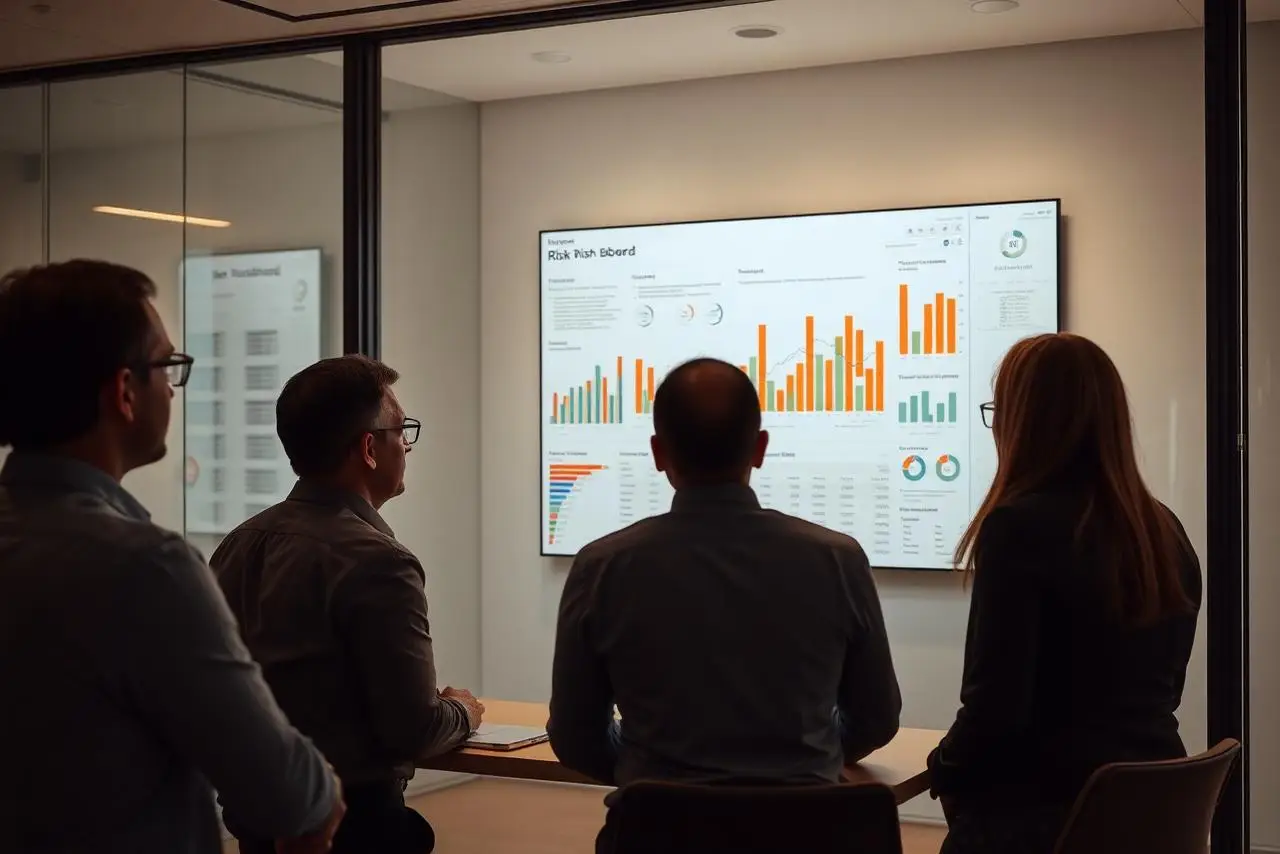
Risk Everywhere: Why Ownership Has to Leave the Risk Function
Eight in ten leaders say the risk landscape is defined by crisis — and only 9% call their risk management proactive. The gap is an operating problem, not a risk-team problem.
Modern Supply Chain Strategy
Designing for resilience without surrendering unit economics.

The Operating Partner's Playbook
Value creation plans that survive first contact with the P&L.

Scaling Founder-Led Businesses
The operating rituals that let a founder stay founder while the company grows up.

The Quiet Work of Cadence
Why the calendar — MBRs, S&OP, QBRs — is the most under-priced asset in the operating stack.

Integration Is the Thesis
Deals compound where day-one operating leadership is already in the room, not on a slide.
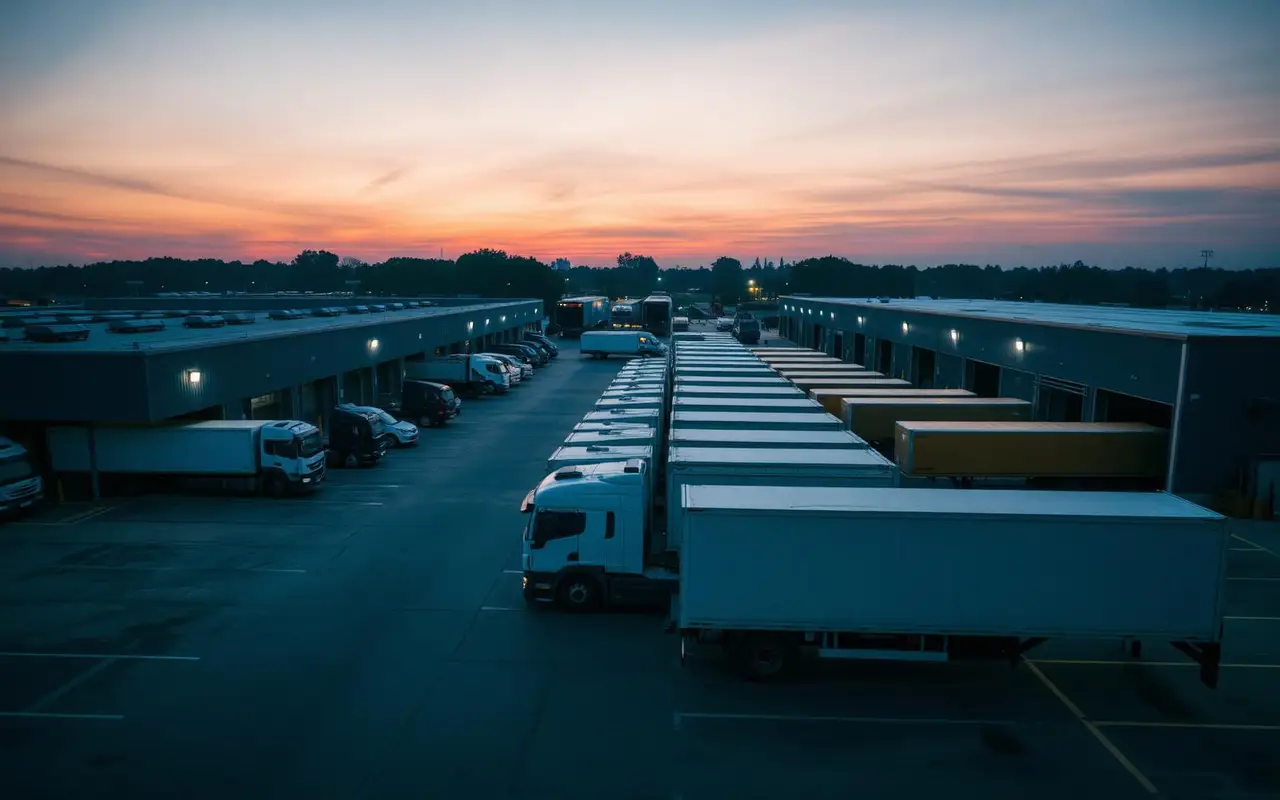
Supply Chain After Globalization
Nearshoring, dual sourcing, and the new geometry of cost, service, and risk.

AI in the Operating Review
Where models earn their seat at the MBR — and where they are still asked to leave the room.

Value Creation Under Pressure
The operating moves that hold up when the hold period gets long.

When Founders Hire the First COO
The signals that the operating seat is no longer the founder's — and what to do about it.

Cadence Over Strategy
Strategy sets the direction. Cadence is what actually moves the numbers.

The First Hundred Days, Reconsidered
What executive operating leadership actually does between announcement and integration.